Welding robotisation as one of the key investments
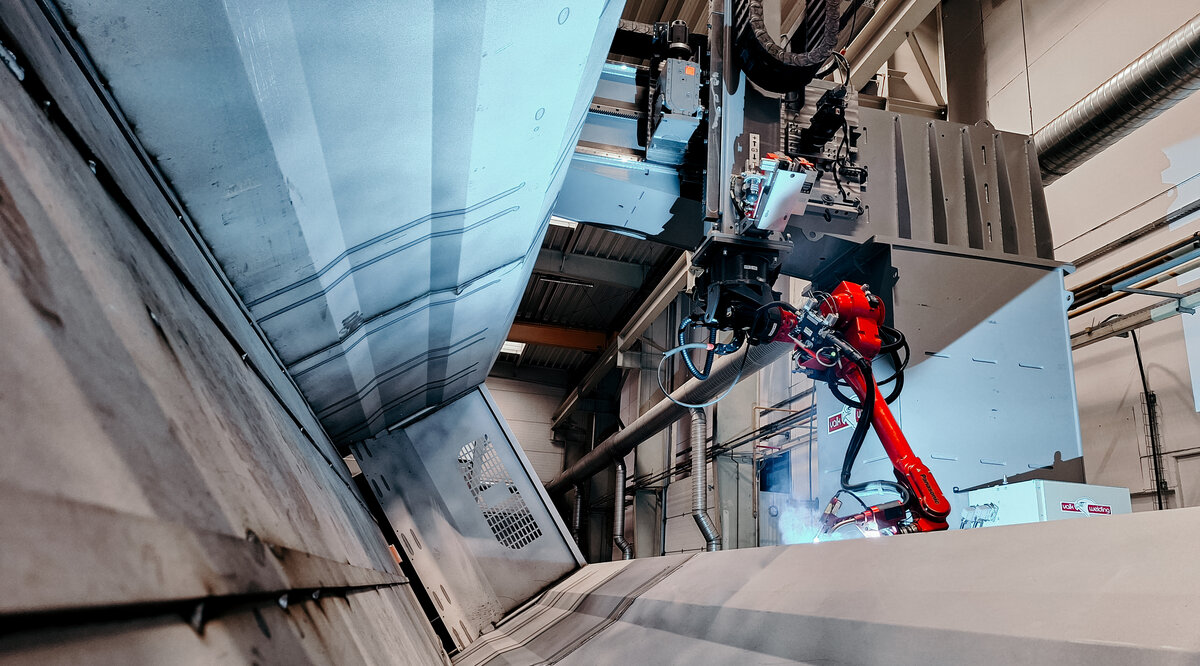
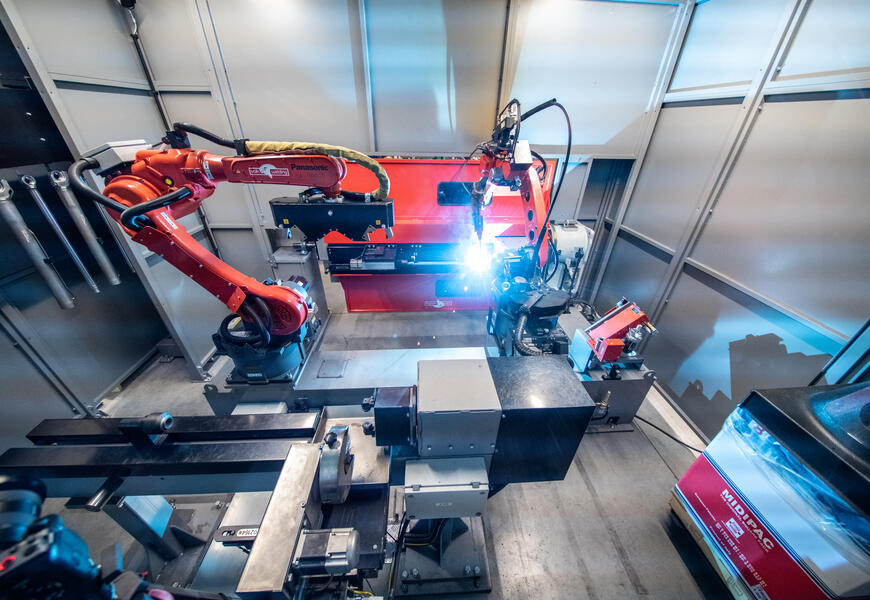
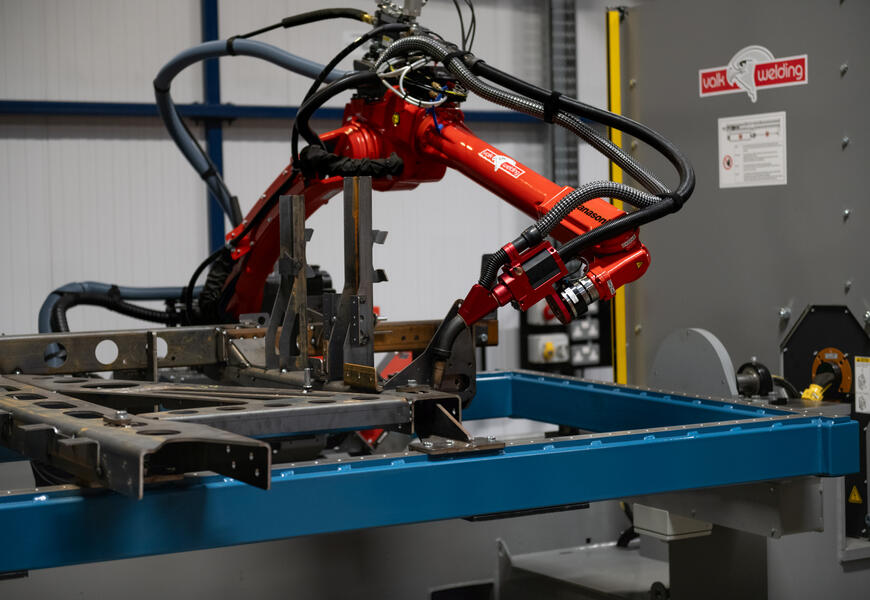
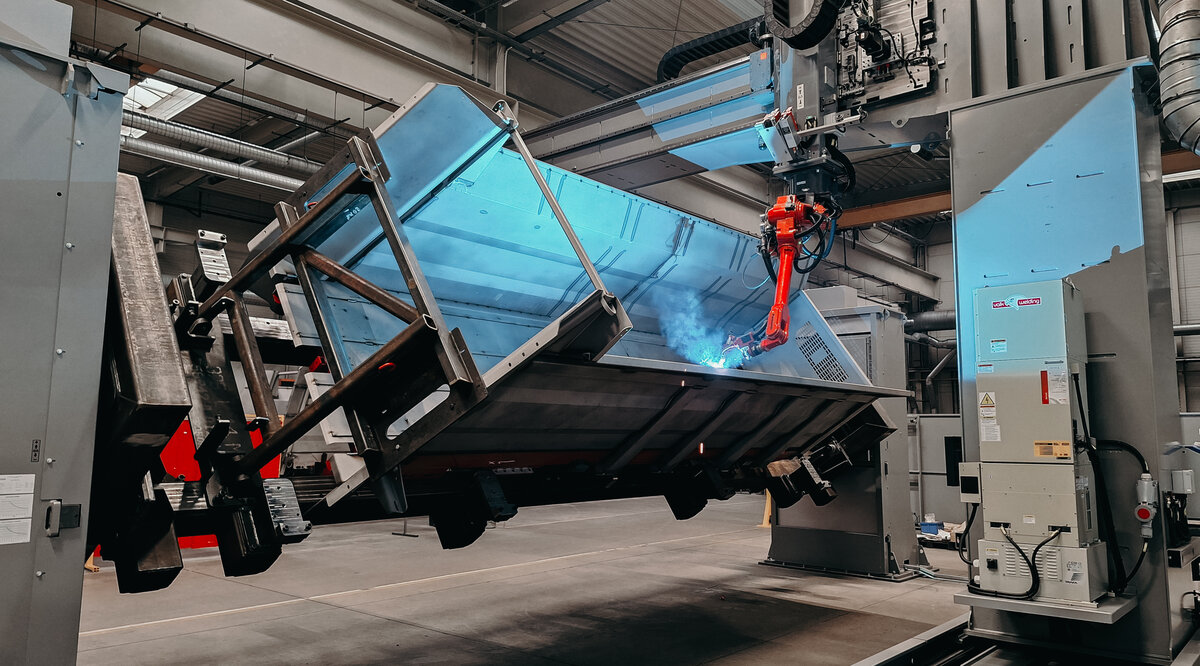
The decision to robotise the welding process was not made by chance. As company representatives emphasise, it was preceded by detailed technological and economic analyses. Two robotic workstations were chosen: one for welding smaller components and one for welding large-scale products. It was important that the entire system could be integrated into the company’s existing structures without the need for costly modifications. One of the greatest challenges was finding the right technology partner capable of meeting the requirements set. Unia Group was looking for a supplier who would not only deliver equipment but would also be capable of designing a comprehensive solution and launching series production. Following a thorough market analysis and a tendering procedure, Valk Welding was selected.
Experience and a flexible approach as the decisive factors
The supplier’s experience, expertise, and ability to execute advanced projects involving large welded structures proved decisive. Valk Welding proposed a solution fully tailored to the customer’s needs — encompassing welding robots, the complete workstation infrastructure, and systems supporting the welding and programming process.
Advanced sensor systems, such as Quick Touch Sensing and the ARC-EYE laser camera, played a crucial role in ensuring high process quality. These systems enable the automatic correction of welding trajectories in real time, maintaining high welding precision even when dimensional tolerances of the welded parts are large.
Another important aspect was the implementation of DTPS software for the virtual programming of robots. This solution enables welding programs to be prepared away from the production workstation, which significantly increases work efficiency and eliminates downtime.
Collaboration between customer and supplier does not end after workstation delivery
The collaboration between Unia Group and Valk Welding did not conclude at the installation and commissioning of the robotic workstations. Valk Welding programmed and launched series production of the first batches of parts on both the small and large workstations. It also provided technical support and assistance with further process optimisation, which enabled Unia Group to achieve full operational independence in managing the systems and implementing new production more quickly.
Today, Unia Group regards robotisation as one of the pillars of further development. The company plans to gradually extend the use of robotic welding to additional production components.