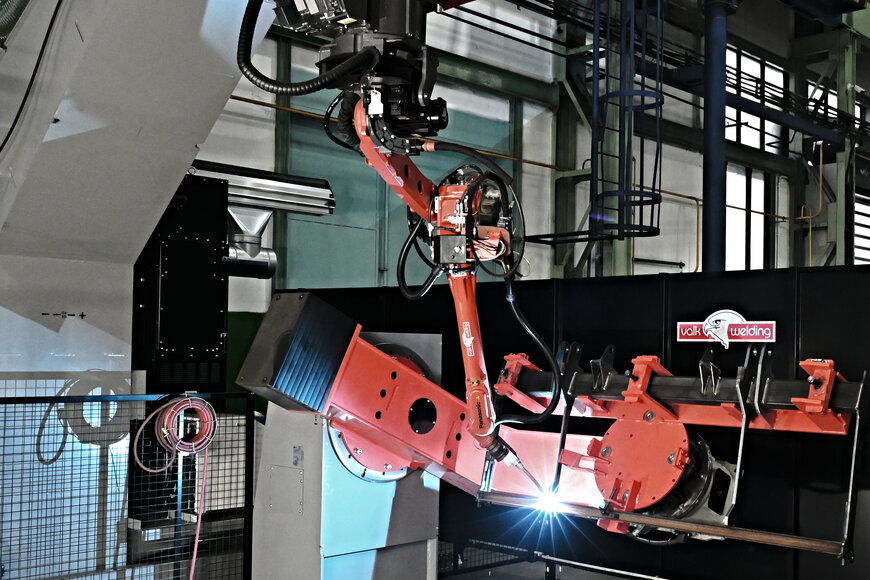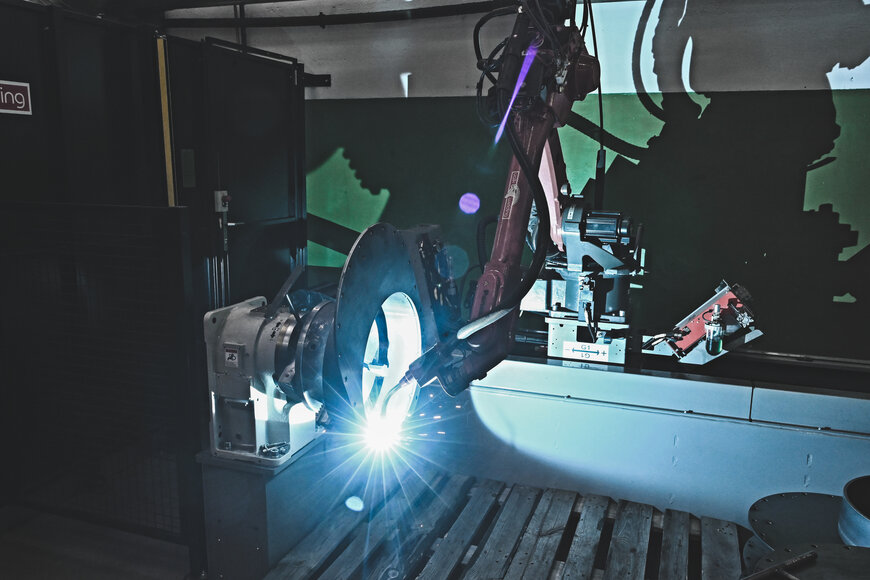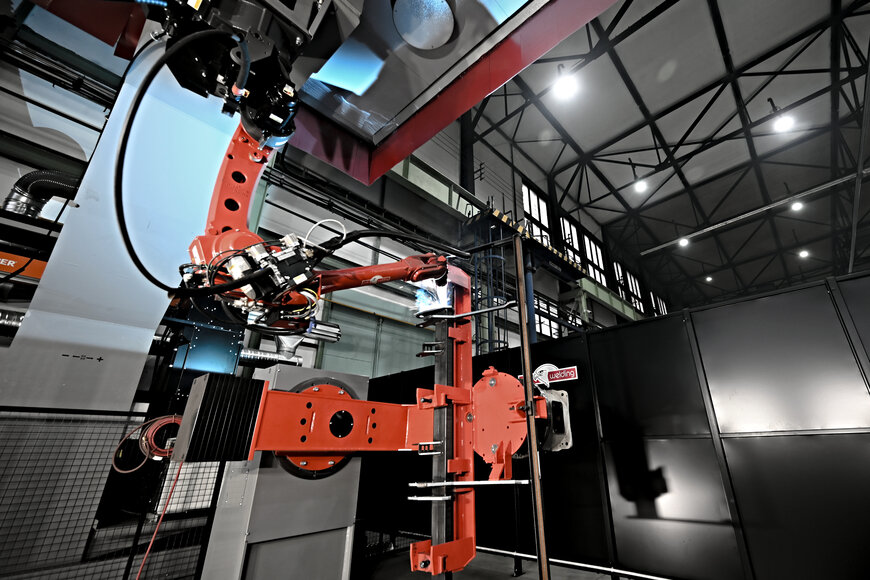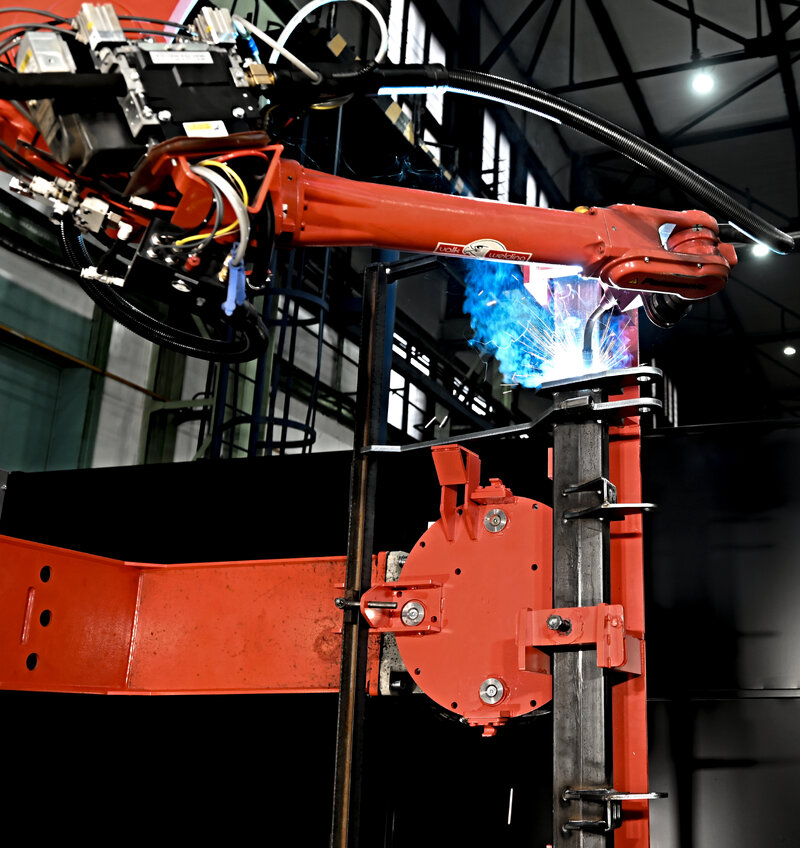
Robotic welding first appeared in the company more than fifteen years ago, when management decided to automate part of the production. That investment was intended to be a step towards higher quality and productivity, but reality also brought a series of complications. For several years the team struggled in vain to achieve stable operation of the purchased robotic system. The main problem was insufficient program repeatability – the robot could weld correctly only immediately after programming, but after some time or a shutdown the results varied considerably. Programs could not be started without additional adjustments, causing the company delays and higher costs.
“The biggest difficulty was that we could not rely on the program working tomorrow the same way as today. When re-deploying previously programmed parts, we often had to start almost from scratch,” explains Mr Ing. Vacek, Technical Director and one of the co-owners. “The supplier tried to resolve some issues, but a permanent elimination of the problems was not achieved. At one point we already felt that robotisation was more of a burden than a help,” adds Mr Ing. Vacek.
A fundamental change occurred when the company decided to increase production capacity. The experience with the previous solution led to the current possibilities of this technology being assessed with other suppliers as well.
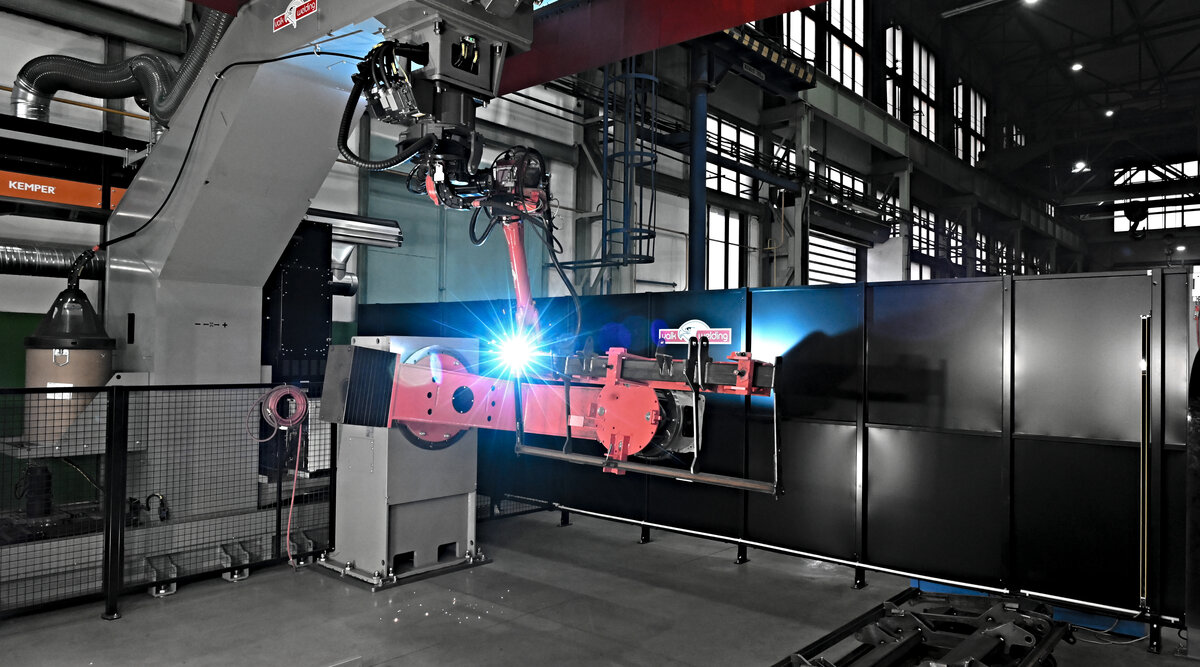
After a presentation of the welding options, systems for eliminating inaccuracies in production preparation, and particularly the possibilities for offline programming at the Valk Welding technical centre in Paskov, the management of Svatavské strojírny decided to purchase two robotic workstations from Valk Welding.